Important Things You Should Know Before Relocating
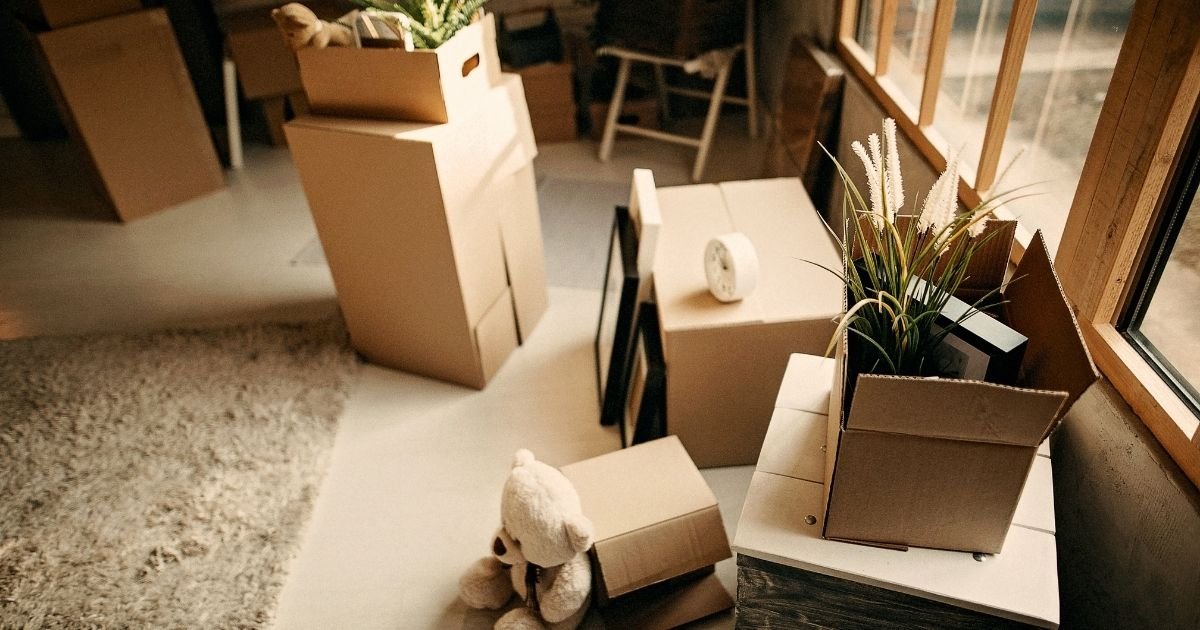
Relocating can feel like pressing the reset button on your life. Suddenly, there is a new neighborhood to explore, new local cafés to try, unfamiliar faces to meet, and a fresh collection of streets to get lost on while pretending you totally know where you are going.
Moving somewhere new can be exciting. It feels like the beginning of a new chapter, complete with new routines, new possibilities, and the slightly delusional belief that this version of you will finally become organized.
However, relocating involves much more than choosing a home and transporting your belongings from one pile of boxes to another. Before making the move, you need to understand the real cost of living, local job opportunities, how your job will handle a new setup, transportation options, essential services, and the emotional adjustment that comes with leaving behind the people, places, and routines that once felt familiar.
Because a new address may give you a fresh start, unfortunately, your bills, responsibilities, and tendency to misplace your charger are coming with you.
So here are the most important things to know before relocating.
1. Research the Real Cost of Living

Rent is only one part of the monthly cost.
Before moving, check the average price of:
- Electricity and water
- Internet and mobile data
- Transportation
- Groceries
- Healthcare
- Laundry
- Parking
- Childcare or school fees
A place may have cheaper rent but expensive transportation or limited stores nearby. Look at your complete monthly budget rather than falling in love with one attractive rental price.
2. Visit the Area Before Committing
Online photos can make almost any neighborhood look peaceful. The camera usually leaves out the traffic, construction noise, flooding, poor roads, and karaoke machine next door.
Visit the area at different times if possible.
Check what it feels like:
- Early in the morning
- During rush hour
- At night
- On weekends
- During heavy rain
A neighborhood can feel completely different once the sun goes down or the roads become busy.
3. Check the Internet and Mobile Signal
This is especially important when you work remotely.
Do not accept “the internet is fast here” as enough information. Ask which providers serve the exact address and whether installation is immediately available.
Check:
- Fiber availability
- Average speed
- Installation costs
- Lock-in periods
- Mobile data coverage
- Backup internet options
- Frequency of power outages
A beautiful apartment becomes much less charming when every video call freezes with your face looking like a confused passport photo XD.
4. Understand the Rental Agreement
Read the entire agreement before paying anything.
Confirm:
- Length of the contract
- Security deposit
- Advance rent
- Renewal rules
- Utility responsibilities
- Maintenance costs
- Guest policies
- Pet rules
- Early termination fees
- Refund conditions
Take clear photos or videos of the property before moving in. Record existing scratches, damaged furniture, leaks, stains, and broken fixtures so you are not blamed for them later.
5. Look at Transportation, Not Just Distance
A place may appear close on the map but still take a long time to reach because of traffic or limited public transportation.
Test the actual route to:
- Work
- Schools
- Hospitals
- Grocery stores
- Banks
- Government offices
- Transport terminals
Also check the cost of daily travel. A cheaper home far from everything may become more expensive once transportation is added.
6. Find the Nearest Essential Services
Before relocating, locate the nearest:
- Hospital or clinic
- Pharmacy
- Grocery store
- Police station
- Fire station
- Bank or ATM
- Government office
- Childcare center
- Repair shop
Save emergency numbers and important addresses on your phone.
This may sound overly prepared until someone needs medicine late at night and the nearest pharmacy turns out to be in another municipality.
7. Prepare More Money Than You Think You Need
Relocation usually costs more than expected.
You may need money for:
- Deposits
- Advance rent
- Moving services
- Transportation
- New furniture
- Appliances
- Internet installation
- Utility connections
- Repairs
- Food during the first few days
- Emergency expenses
Try to keep an emergency fund separate from the moving budget. Do not spend everything simply getting through the front door.
8. Decide What Is Worth Bringing
Moving is a good time to realize how many things you own without remembering why you own them.
Before packing, divide your belongings into:
- Keep
- Sell
- Donate
- Throw away
- Replace after moving
Compare the cost of transporting large furniture with the cost of buying replacements. Bringing everything is not always the cheapest option.
Pack important documents, medicines, chargers, basic clothes, toiletries, and valuables separately. Keep them with you instead of placing them inside the moving truck.
9. Prepare for the Emotional Adjustment

Relocating is not only a practical change. It can also feel lonely and unfamiliar.
Even when the move is your choice, you may miss:
- Friends and family
- Familiar routines
- Favorite places
- Local food
- Your old neighborhood
- The feeling of knowing where everything is
Give yourself time to adjust. Explore slowly, create a routine, and stay connected with people from home.
You are not failing simply because the new place does not immediately feel like home.
10. Learn About the Local Community
Every place has its own rhythm, customs, expectations, and unspoken rules.
Learn about:
- Local transportation
- Waste collection schedules
- Noise rules
- Community events
- Weather risks
- Flood-prone areas
- Common safety concerns
- Local language or expressions
- Nearby markets and businesses
Speak with neighbors when appropriate. They often know more useful information than any relocation guide, including which streets flood, which internet provider actually works, and where to find the best food without paying tourist prices.
11. Protect Your Work and Income
When relocating for work, confirm the details before making permanent decisions.
Check:
- Start date
- Salary
- Work setup
- Probation terms
- Benefits
- Office location
- Schedule
- Relocation assistance
- Job stability
For remote workers, make sure the new location supports your job before signing a long lease.
Always have a backup plan in case the work arrangement changes.
12. Give Yourself an Exit Plan

Not every move works out, and that does not mean it was a mistake.
Before relocating, know what you would do if:
- The job falls through
- The rent becomes unaffordable
- The area feels unsafe
- The internet is unreliable
- Family responsibilities change
- You simply realize the place is not right for you
Keep copies of your contracts, maintain some emergency savings, and avoid making every part of your life dependent on one decision.
My Final Thoughts
Relocating to a new place gives you a different perspective on life. You learn how locals speak, commute, interact, and handle everyday routines.
Being socially aware is also important. Since you are new, you need to observe, adjust, and respect how the community works. Some drivers or vendors may even charge you more when they realize you are unfamiliar with the area, so knowing the usual prices helps you avoid the unofficial “newcomer tax.”
I have been relocating for almost eight years since finishing college. Because I work from home, I choose places based on convenience, affordability, reliable internet, and whether my income can comfortably cover the monthly living costs while I'm enjoying the nearby local cafe and tourist spots.
Relocating has taught me that a new address does not automatically create a new life, but it can help you become more independent, adaptable, and aware of the kind of environment that truly works for you.
Back to Blog