The Cornell Sexual Assault Case Explained: What Allegedly Happened, the Essay Controversy, and Where the Case Stands

Seven Cornell fraternity members, an alleged sexual assault, and a punishment involving “essays” are the story spreading across social media. But nearly two years after the alleged 2024 incident, the case has taken a more serious turn: the criminal investigation has been reopened.
Jane Doe’s lawsuit has brought new attention to what allegedly happened inside Cornell’s Chi Phi fraternity house, how the university responded, and why no criminal charges were initially filed. Now, prosecutors are reviewing the case again, while New York Gov. Kathy Hochul is seeking an independent review of Cornell’s handling of the allegations.
What Does the Lawsuit Say Happened?
The woman at the center of the case is publicly identified as Jane Doe.
She was 20 and attending Cornell when she went to the Chi Phi fraternity house in Ithaca, New York, on the night of October 19, 2024.
According to the civil lawsuit, Doe had consumed alcohol before arriving at the fraternity house. She alleges that fraternity members later pressured her into consuming what they said was ketamine, as well as marijuana and additional alcohol.
The lawsuit alleges that two fraternity members initially sexually assaulted her and that additional fraternity members became involved while she was severely intoxicated or incapacitated.
A Snapchat conversation among fraternity members has become one of the most widely discussed pieces of evidence.
According to messages obtained by CBS News, a message was sent to the fraternity’s Snapchat group at approximately 1:42 a.m. using crude language to suggest that a woman was available for sex.
Another fraternity member later asked:
“Shop still open?”
The response was:
“Yea.”
Doe alleges that additional men subsequently entered the room and sexually assaulted her. According to the complaint, the alleged assaults continued for hours.
These remain allegations. No criminal court has found the seven defendants guilty.
The lawsuit names seven current or former Cornell students as defendants: Matthew Ingalls, Johnathan Newell, Winston Lee, Gillio Lopes, Diego Sarabia, Scott Norris and Scott Kretzschmar. The allegations have not been proven in criminal court, and the reopened criminal investigation remains ongoing.
What Happened After That Night?
Two days later, Doe exchanged text messages with one of the men who is now a defendant in the lawsuit.
Those messages have become significant because they add another layer to the evidence.
According to messages obtained by CBS News, the man apologized for “how things went down” and said his memory was “kinda fuzzy.” He reportedly said that he and another man felt bad about being too intoxicated to stop the situation before it got out of hand.
Doe responded that her own memory was “super clouded too” and said everyone had been heavily intoxicated.
She also wrote that none of the sexual activity had been illegal.
Her attorney has argued that her communications after the incident need to be understood in the context of trauma and her attempts to understand what had happened.
The messages could become significant evidence if criminal charges eventually result because prosecutors and defense attorneys could interpret their meaning differently.
Doe Reported the Incident to Cornell Police
Doe reported the alleged assault to Cornell University Police on November 8, 2024, approximately three weeks after the incident.
Cornell temporarily suspended the Chi Phi chapter that same day. According to the lawsuit, temporary suspensions were also issued to the seven accused students.
The criminal side of the case, however, did not result in charges.
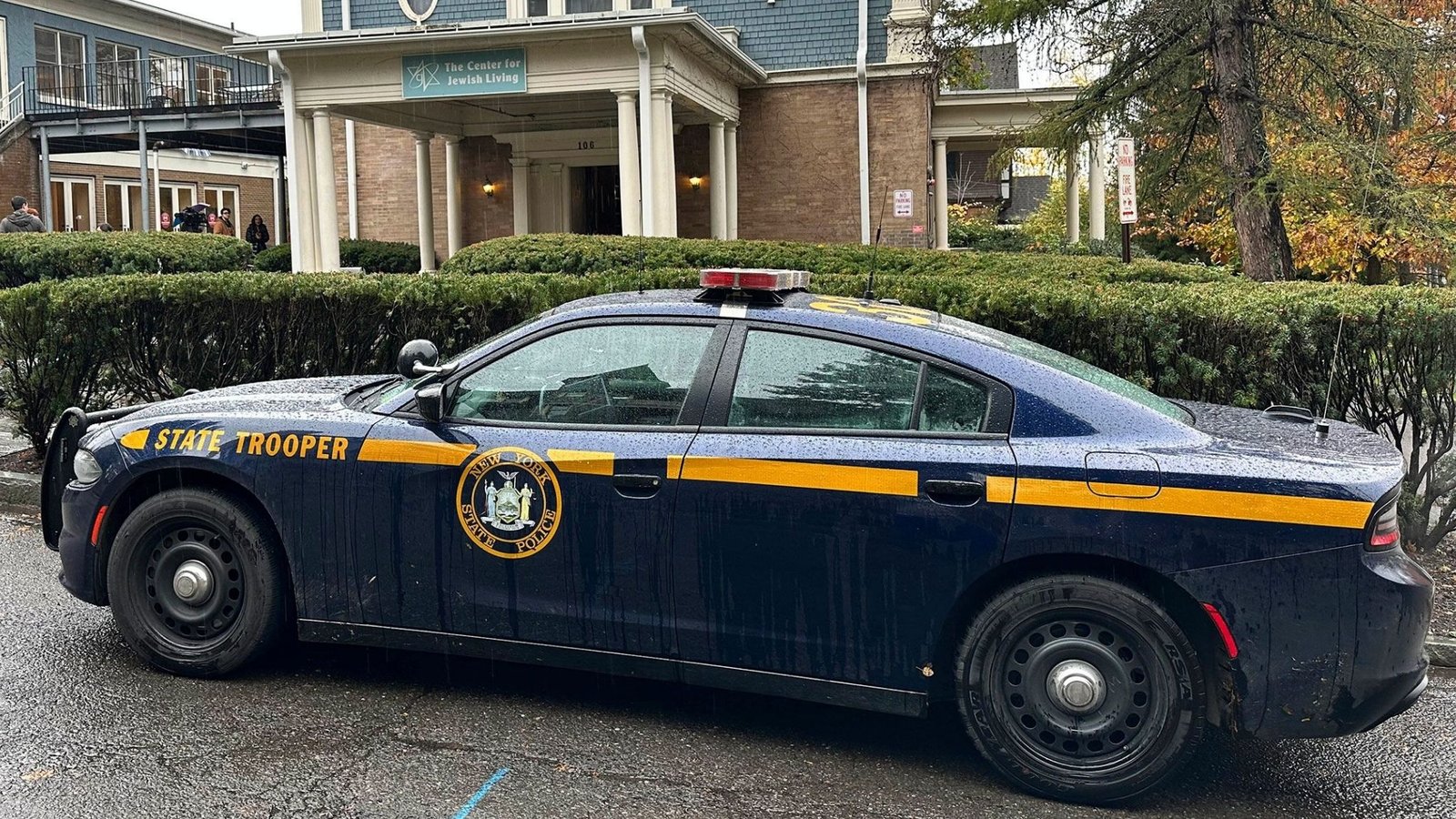
Tompkins County District Attorney Matthew Van Houten has said the statement his office reviewed in 2024 differed substantially from the allegations contained in the civil lawsuit filed nearly two years later.
According to Van Houten, the information available to prosecutors at the time did not allege that Doe had been drugged against her will or gang-raped in the manner described in the 2026 lawsuit.
His office determined that there was insufficient evidence to pursue criminal charges.
That decision is now being reconsidered.
Why Are People Talking About the Essays?
The essay controversy is one of the main reasons the case exploded across social media.
Doe’s lawsuit alleges that several of the seven defendants were temporarily suspended and “were afforded the opportunity to mitigate their conduct by submitting essays” to Cornell.
The allegation quickly turned into a much simpler version online: seven students were accused of rape, and their punishment was writing an essay.
That is not an accurate description of Cornell’s entire disciplinary process.
Cornell has directly disputed the claim that essay-writing was the sole punishment.
The university said:
“None of the individuals charged were offered the opportunity to write essays as a sole consequence of their involvement.”
Cornell says it conducted a months-long Title IX investigation followed by a hearing before a panel of trained faculty and staff. Both Doe and the accused students were given opportunities to testify and present evidence.
The essays appear instead to have been connected to mitigation during the disciplinary process.
Several important details remain unknown.
The essay prompts have not been publicly released. The essays themselves have not been publicly released in reliable reporting. It is also unclear exactly which defendants submitted them, what they wrote, or how much the submissions affected Cornell’s disciplinary decisions.
So the verified claim is not simply that “Cornell punished them by making them write essays.”
The lawsuit alleges that several defendants were allowed to submit essays to mitigate their conduct during the disciplinary process. Cornell says the eventual consequences went considerably further.
What Punishment Did Cornell Actually Give?
Cornell has confirmed that its disciplinary proceedings resulted in both expulsions and suspensions.
Early reporting from Doe’s attorney stated that two of the seven accused students were expelled while others received lesser sanctions, including suspensions, workshops, or essays.
Cornell subsequently confirmed that consequential punishments were imposed and rejected claims that essays represented the university’s entire response.
The Chi Phi chapter was also closed in 2024 and remains barred from Cornell’s campus.
These were university disciplinary actions, not criminal convictions.
A university Title IX proceeding and a criminal prosecution are separate processes. A university can determine that a student violated institutional policies without that student being convicted of a crime.
Why Was Nobody Criminally Charged in 2024?
The original decision not to prosecute has become one of the biggest questions surrounding the case.
Cornell University Police investigated Doe’s report and provided information to the Tompkins County District Attorney’s Office.
Van Houten has acknowledged that his office relied on the Cornell Police investigation rather than conducting an independent investigation of the allegations at the time.
Based on the information prosecutors reviewed in 2024, the office determined there was insufficient evidence to pursue criminal charges.
Doe’s attorney has challenged the adequacy of that process.
According to CBS News, the attorney says Doe was never contacted by investigators from the district attorney’s office after she made her report to the Cornell police.
That has raised a larger question about the original investigation: whether prosecutors had access to all relevant information when they decided not to pursue charges.
Cornell has said that its police department provided the district attorney with a screenshot from the fraternity Snapchat conversation in 2024.
What Do the Accused Say?
The lawsuit represents Doe’s allegations, not established findings of criminal guilt. At least some defendants dispute the allegations against them.
The evidence and individual conduct attributed to each defendant may also differ, meaning the seven defendants cannot automatically be treated as having identical allegations or evidence against them.
That distinction will become particularly important if prosecutors pursue criminal charges.
A criminal prosecution would require prosecutors to establish criminal responsibility under the applicable legal standard, independently from whatever conclusions Cornell reached through its disciplinary system.
Why Did the Case Return Almost Two Years Later?
Doe filed a 101-page civil lawsuit in September 2026 against Cornell University, seven current or former Cornell students, Chi Phi organizations and several other defendants.
The complaint brought extensive allegations surrounding the October 2024 incident and Cornell’s response into public view.
The case quickly attracted national attention.
On September 28, 2026, the Tompkins County District Attorney announced that the criminal investigation would be reopened.
Van Houten said the allegations contained in the civil complaint were “dramatically different” from the information prosecutors had previously reviewed and that his office would reexamine whether additional evidence now exists.
The district attorney has also said the case will be presented to a grand jury.
The scrutiny has expanded beyond the criminal investigation.
New York Gov. Kathy Hochul has called for outside counsel to conduct a transparent, independent review of Cornell’s response, including whether the university fulfilled its obligations to protect students and appropriately respond to the allegations.
Ithaca Mayor Robert Cantelmo has also called for restrictions on student event permits while Cornell’s protocols surrounding sexual violence and student events are examined.
Where Does the Cornell Case Stand Now?
As of September 30, 2026, Doe’s civil lawsuit remains ongoing, while the criminal investigation has been reopened. The district attorney plans to present the case to a grand jury to determine whether criminal charges should be brought, while New York Gov. Kathy Hochul is seeking an independent review of Cornell’s handling of the allegations. No criminal court has found the seven defendants guilty.
What Is Still Unknown?
Despite the amount of information now circulating online, major questions remain unanswered.
The full circumstances surrounding the difference between Doe’s original account to police and the allegations contained in the 2026 civil complaint remain under scrutiny.
It is also unclear whether prosecutors had access to every relevant piece of evidence when they made their original decision not to prosecute.
The essay controversy contains its own unanswered questions. The actual essay prompts have not been publicly released in reliable reporting, nor have the essays themselves. It remains unclear which defendants submitted essays and how much those submissions affected disciplinary sanctions.
Most importantly, no criminal court has determined whether the alleged assaults occurred as described in the lawsuit.
The viral version of the story “seven Cornell students were accused of rape and told to write essays” captures only one fragment of a much larger case.
The central questions now concern what allegedly happened inside the Chi Phi house in October 2024, what evidence was available afterward, how Cornell and law enforcement responded, and whether the reopened criminal investigation will result in charges.
Sources
CBS News New York — Former Cornell University student sues school, 7 fraternity members over rape allegations
CBS News — Details emerge in case of former Cornell student alleging gang rape by fraternity members
CBS News New York — Cornell fraternity rape investigation reopened
Associated Press — Prosecutor reopens probe into Cornell gang rape allegations
ABC News — District attorney reopens Cornell investigation
ABC News — Gov. Kathy Hochul calls for independent Cornell review
The Cornell Daily Sun — Cornell denies essays were the sole consequence and confirms expulsions
The Cornell Daily Sun — Cornell and Chi Phi sued over alleged 2024 assault
The Cornell Daily Sun — Cornell's initial statement on the allegations
The Washington Post — Cornell allegations prompt reopened criminal investigation
- Jane Doe v. Cornell University et al. — 101-page civil complaint and case documents